On November 24, 2025,Support for sustainable decision-making and arrangements that preserve dignity for everyone during and after life” (nicknamed the Happy Finishing Project) exhibited at the “Mirabo Research Open Project” at Kyoto University’s November Festival.
Kyoto University November Festival and Research Open Project Mirabo
Kyoto University November Festival (commonly known as NF) is a campus festival held every November at Kyoto University. The "Research Open Project Mirabo" is a project where researchers introduce their research results to the general public, and aims to provide a place where visitors can experience the wide variety of research content at Kyoto University.
About the research open project MiraboHerePlease see (you will be redirected to the official November Festival website).
Exhibit contents
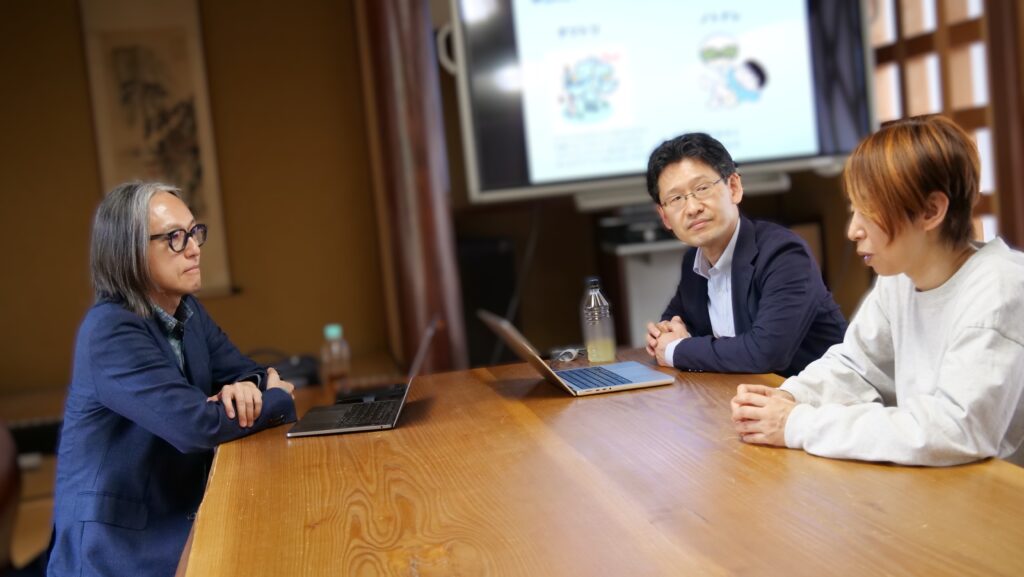
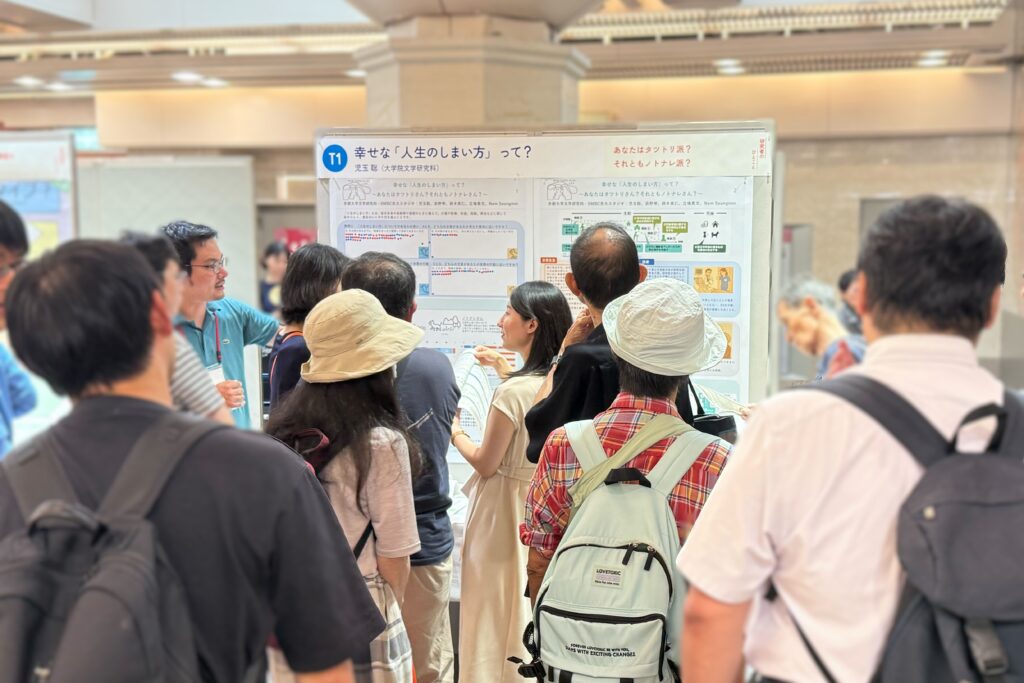
Through a poster exhibition, this project aims to present specific issues that may arise when getting dressed in old age, as well as the findings of previous research.The thinking of "Tatsutori-san" and "Notonare-san"We also made public the literature materials collected by the project.
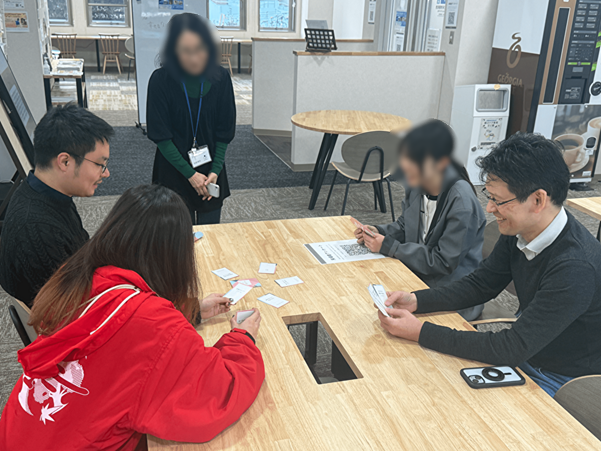
Furthermore, we had visitors try out the "Moshibana Game" (a game where you talk about what-ifs). The Moshibana Game is a card game that allows people to casually discuss with others the serious topic of how they want to be at the end of their lives. Using this game, we were able to naturally get people to think about "how to end their lives," a topic that is usually difficult to discuss.
Visitor reactions
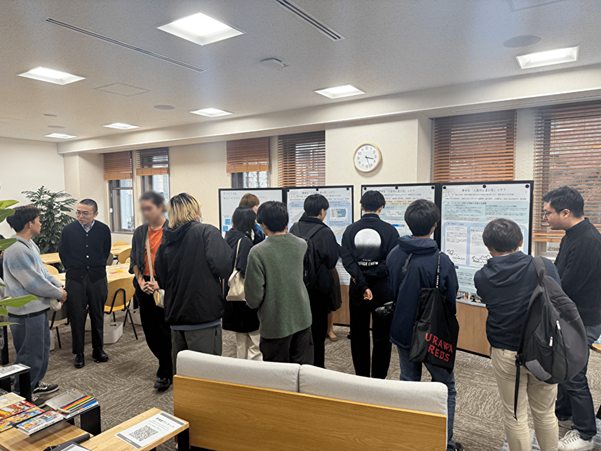
More than 100 people attended the event. As it was Kyoto University's school festival, there were many young visitors, but what was particularly impressive was the large number of people who appeared to be the students' parents and grandparents, who were often seen listening intently to the talks as families.
One visitor commented, "I thought it was still a long way off for me, but this gave me the opportunity to think more seriously about the possibility that my family members might become affected." The Moshibana Game was also well received by people of all ages, and it was impressive to see people relaxing and talking about "how to end their lives" through the game.
A word from the project representative (Kyoto University/Kodama Satoshi)
Many people, from young people to the elderly, came to this November festival and exchanged frank opinions about "how to end one's life." We made efforts to make it as easy as possible to talk, such as by using posters and arranging the venue, but I think it was great that the discussions were much more enthusiastic and relaxed than we had expected.
What was particularly impressive was how the Moshibana Game naturally sparked conversations across generations about topics that are usually difficult to discuss. As participants chose cards, they shared their thoughts, saying things like, "I think this is important," and "This is what I think," which gave us a sense of the great potential of the game as a way to connect research and society.
Through these types of activities, we hope to continue expanding opportunities for people to think about the question, "What is a happy way to put things away?" and to give back to society through the results of this project.